





Customer demand rate
Aerospace series - Requirements for advanced product quality planning and production part approval process,” British Standards Institution, BS EN 9145, 2018, defines the demand rate as the: “Quantity of products required to be produced by the production organization over a specified period of time to fulfil the delivery schedule.”
Construction Quality Planning Guide, Draft for Consultation, Published by the Construction Innovation Hub in May 2020, defines Customer Demand Rate as: ‘…the sum total of the rate of the particular product required in a given time frame, by one or many customers. It is likely that most construction projects will be delivered for one particular client, but most newly introduced products could have demand from multiple clients. In such cases, customer demand rate is derived as the sum total of the volume required in the given time frame and consequently any validation activities are carried out at peak demand. If additional customers come on board then the demand rate would just increase by adding the extra volume demand per unit time.’
[edit] Related articles on Designing Buildings Wiki
Featured articles
Check out some of the best features and news from Designing Buildings as well as key stories from around the web.

Building Safety Newsletter from MHCLG.

An extraordinary record of steel engineering worldwide.
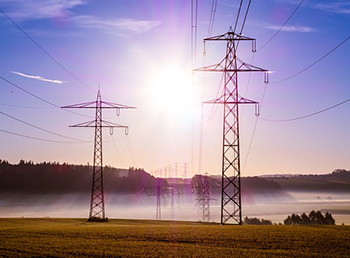
Households living near new pylons to save on bills.

ECA warns growth must not outpace grid capacity or skills.
The role of the client and decision making

CIOB response to built environment professions call for evidence.
Construction's sustainability reporting revolution
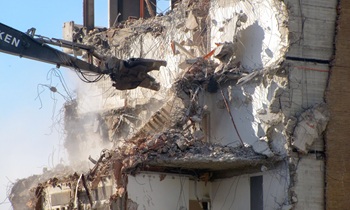
Tracking upfront embodied carbon with digital tools.
ECA welcomes procurement reforms

Public spending must back British jobs and skills.
Campaigning for Edinburgh: the Cockburn Association 1875-2049

The role of the civic voice in protecting character. Book review.

CIOB photography competition is open for entries.
ECA Edmundson apprentice of the year award

Finalists announced.
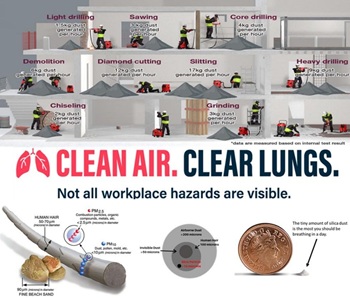
Major new study exposes serious knowledge gaps.

Generating energy from internal light as well as sunshine.